
What Protected Actually Looks Like

What Protected Actually Looks Like

There are two answers we hear most often when we ask agency owners whether they are adequately protected.

  1. The first sounds like confidence: “We have antivirus, and we have not had any problems.”
  2. The second sounds like honesty: “I genuinely do not know.”

Both mean the same thing. Neither has ever seen the actual floor.

The Core Baseline

There is no mystery about what adequate protection looks like for a small insurance agency.

Carriers and regulators have converged on the same starting point.

4 points that address the highest-probability threats and the ones most consistently asked about at renewal.

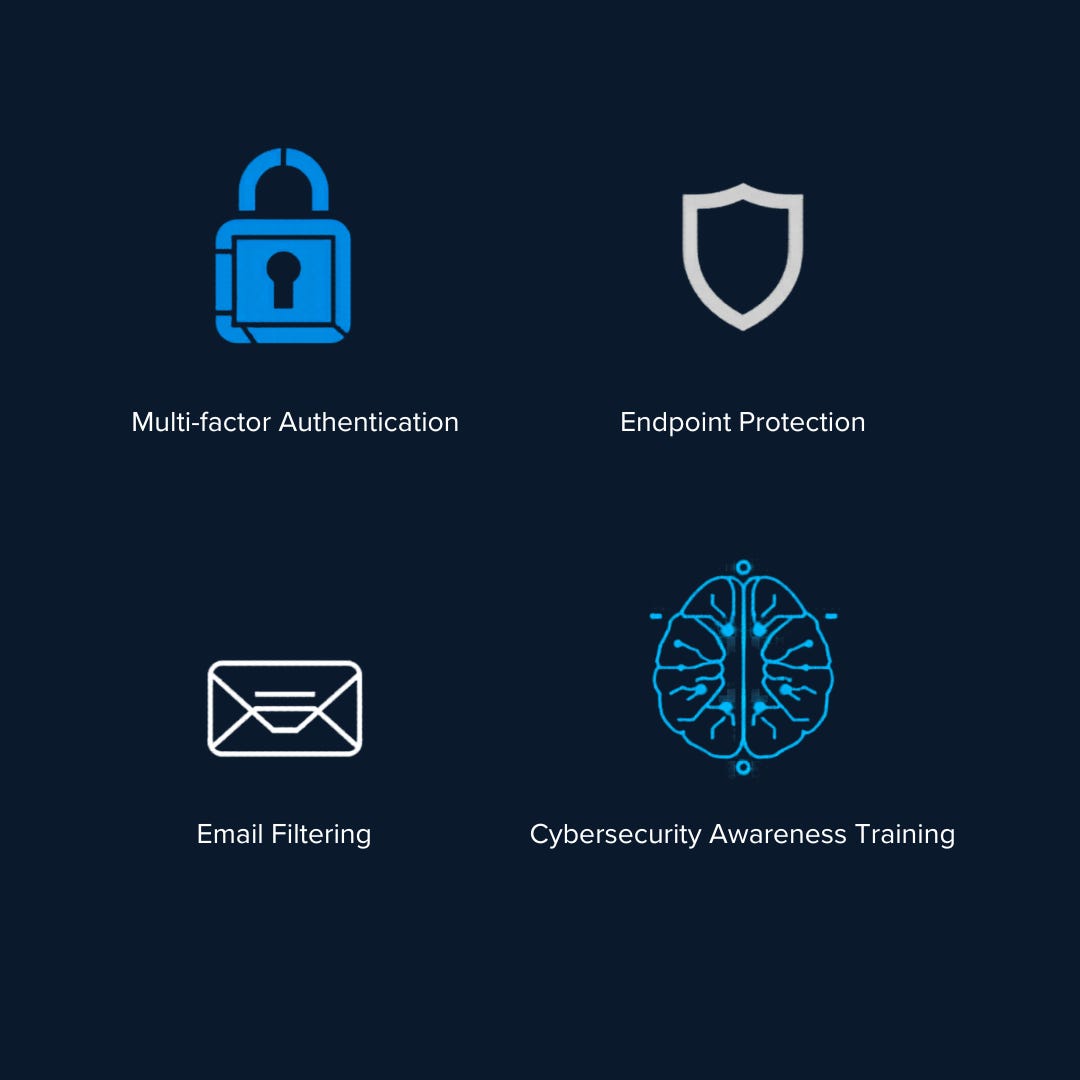
  1. Multi-factor Authentication (MFA) on every account that touches client data. This is the single most effective control available and the most commonly skipped.
  2. Email Filtering that catches phishing before it reaches the inbox. Most breaches at small agencies start with a phishing email that has not been stopped.
  3. Endpoint Protection (ETP) beyond antivirus. Modern protection detects the behavioral threats that traditional antivirus misses entirely, including ransomware and credential theft.
  4. Cybersecurity Awareness Training for staff. Tools filter what they can. Trained staff catch what tools miss. Phishing scams works because someone clicks, training can reduce these events.

That is the core. Four things. Not forty-seven.
What to Confirm Beyond the Core

The four areas above are the starting point every agency should have in place. But they are not necessarily the finish line.

Your obligations beyond the core depend on factors specific to your agency:

  • Your state may have additional data protection obligations.
  • Your client list may include data that carries additional obligations.
  • Your Agency size or structure may trigger requirements that a solo agent does not face.

This is not meant to overwhelm.

Most agencies that have the four core areas in place are already in strong shape. The additional layer is about confirming that nothing specific to your situation has been missed.

A good cybersecurity partner does not just check the four boxes. They help you understand what else applies and whether you are covered.

If you have been uncertain whether your agency is truly covered, you are not alone.

We hope this clarifies questions you may have been carrying, but if there is anything we missed that you still want to tackle, let us know here.

Leave a Reply

Your email address will not be published. Required fields are marked *